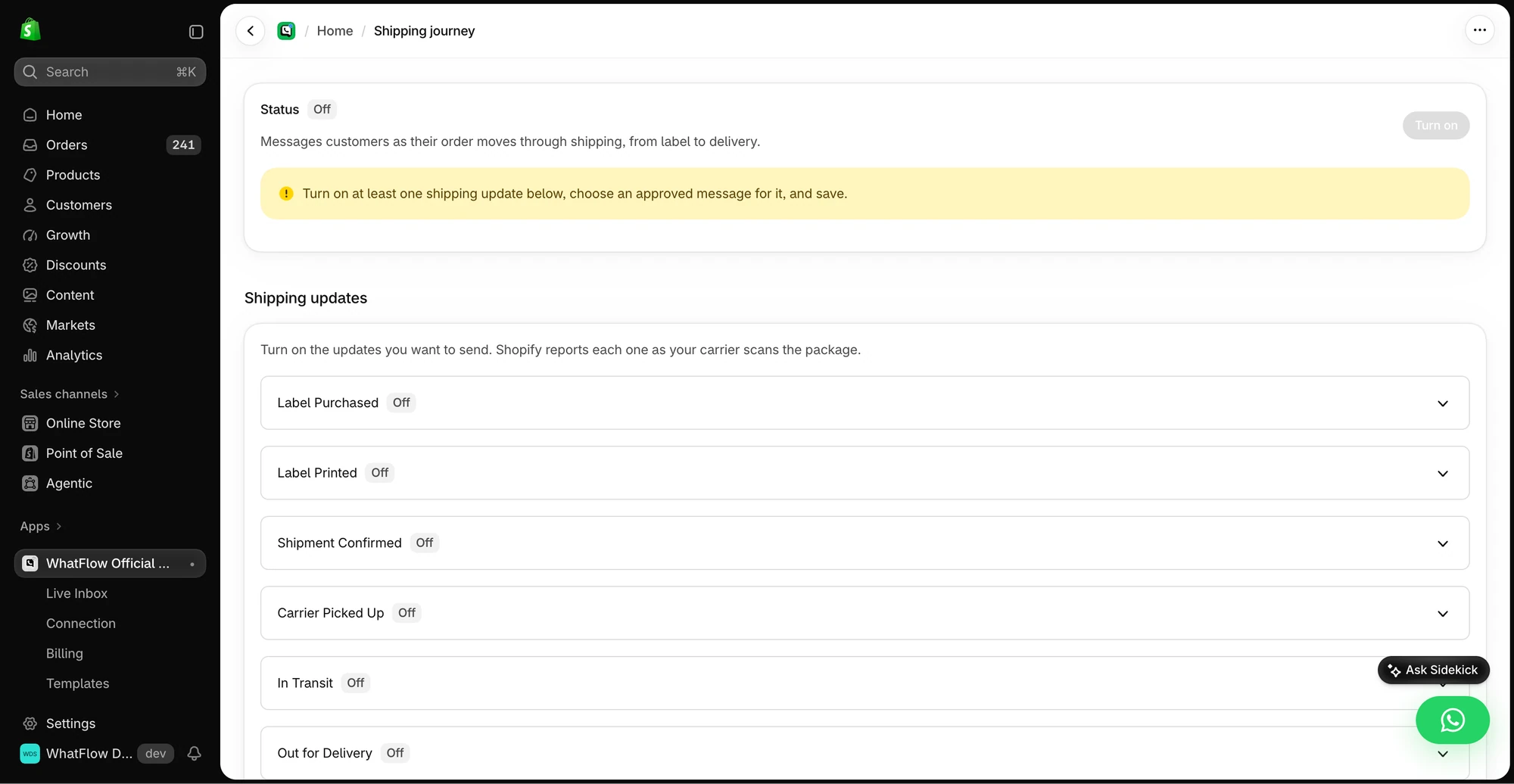

Dropshipping customer trust comes from one habit: only promise what your supplier and courier can actually deliver, and say so before the customer has to ask. Show a realistic delivery window before checkout, send updates tied to real tracking events, tell people about delays first, and answer every support question yourself. The supplier ships the parcel. The customer bought from you.
Dropshipping has a trust problem because a lot of stores hide the slow parts behind confident copy. "Fast shipping!" on a product that takes three weeks. A generic "your order has shipped" message when only the label was printed. Customers don't mind waiting nearly as much as they mind being surprised.
Set an honest delivery window before checkout
Pull the real numbers from your last 50 orders per supplier: days from order to dispatch, and dispatch to delivery, by country. Then publish a range that covers most of them, not the best case.
Ships from our partner warehouse in 2–4 working days. Delivery to the UAE usually takes 7–12 working days after that. You'll get tracking on WhatsApp as soon as it ships.
That sentence does more for conversion than a "fast shipping" badge, because it answers the question every buyer has.
If you sell to the US, this isn't just good manners. The FTC's Mail, Internet or Telephone Order Merchandise Rule says you need a reasonable basis for any shipping time you state. If you state none, you must expect to ship within 30 days. When you can't ship on time, you have to offer the customer the choice of accepting the delay or cancelling for a prompt refund. Other countries have their own consumer rules, so check yours.
Check the product before you promise it
Supplier listings are written to sell the supplier's product, not yours. Before you publish:
- Order a sample. Check size, colour, materials and what's in the box.
- Rewrite the description with the details your customers ask about.
- Use photos you're allowed to use, ideally your own of the sample.
- List the limits. "Not waterproof." "Runs one size small."
And don't import a pile of reviews from the supplier's marketplace to make a new page look established. Reviews should come from your customers, about the product you sell. The FTC's review rule prohibits fake reviews, and borrowed ones about a slightly different product mislead buyers anyway. Our covers what to show instead.