
Hire your first customer support person when support is regularly pushing out work only you can do, when replies keep missing your own targets, or when messages pile up at hours nobody covers. Look for clear writing, calm judgement and attention to detail over call-centre experience. Test with a paid trial using real customer messages, then onboard with a written playbook and limited Shopify permissions.
That's the summary. Hiring customer support for an ecommerce store is one of the first real delegation decisions most founders make, and the mistakes are predictable. Here's how I'd approach it.
When is it time to hire customer support?
Don't hire on vibes. For three or four normal weeks, track:
- How many hours a week you spend in support conversations.
- How often you miss your own first-reply target.
- When messages arrive, by hour and day.
- What you're not doing because of support (product sourcing, ads, content, supplier calls).
A few signals tend to mean it's time:
- You're answering WhatsApp at midnight because that's when the backlog finally clears.
- The same ten questions take up most of your day.
- A sale or launch is coming and you already feel behind.
- You've stopped doing the growth work that pays for everything else.
If it's mostly the same ten questions, fix that first: better product pages, a tracking link in your order and shipping updates, and saved replies. Sometimes that buys you three more months. If the volume is genuine, hire.
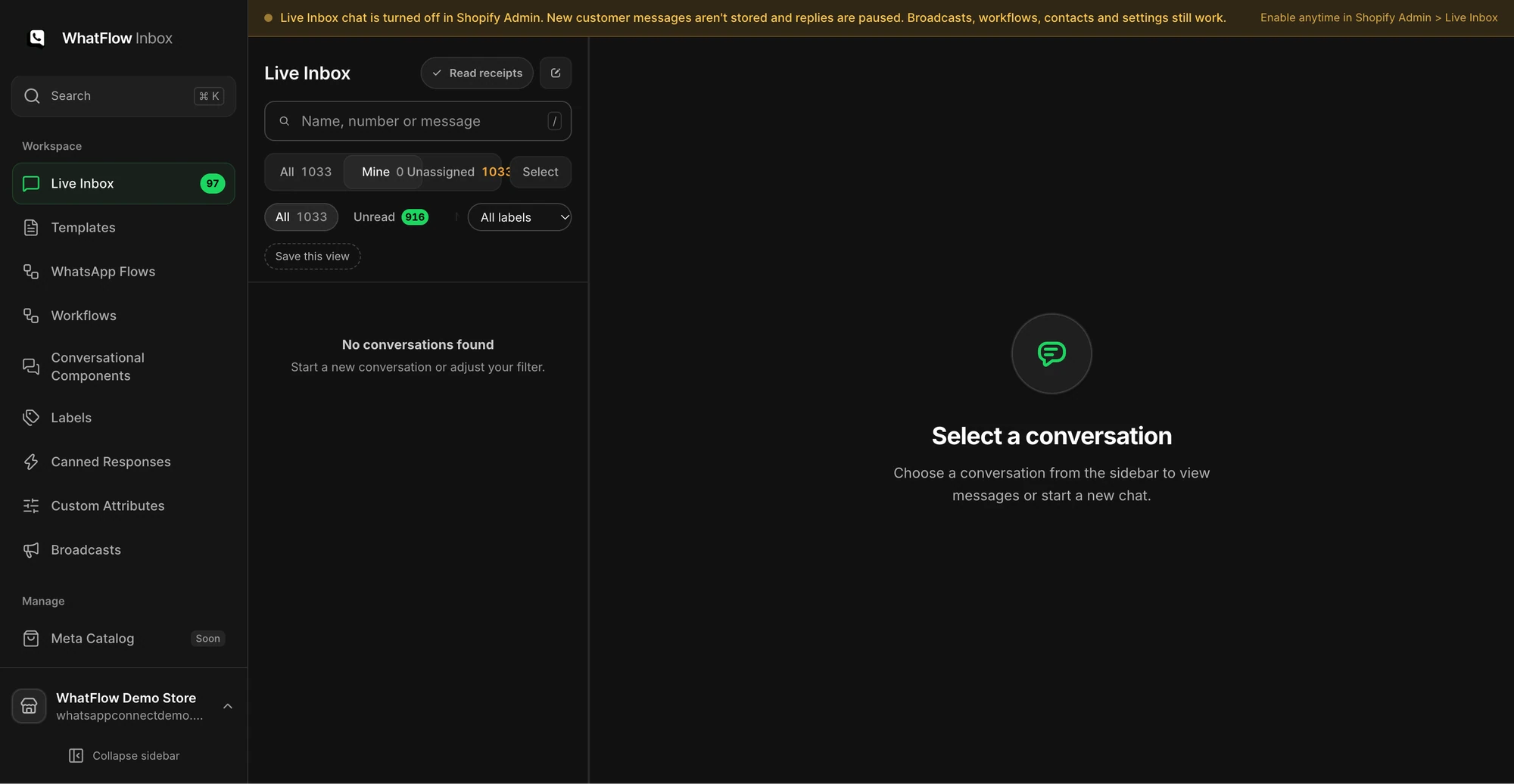
In WhatFlow Team Inbox, Needs reply shows open conversations where the customer wrote last. Closing soon helps staff prioritize the service window. Claim a thread before replying, check the Shopify order if the phone number matches, and leave an internal note when the next shift needs to pick it up. The agent walkthrough shows how that handoff works.
Full-time, part-time or freelance?
For a first hire, part-time is often the sensible start. Look at when your messages arrive and schedule the shift over the busiest block. Many stores see an evening rush, and someone covering 4pm to 10pm can matter more than a 9-to-5 hire.